A history of the art exhibition
Art history is usually told through artists and movements. Underneath it is a quieter history of exhibitions — the rooms, juries, and public shows that decided which work got seen at all.
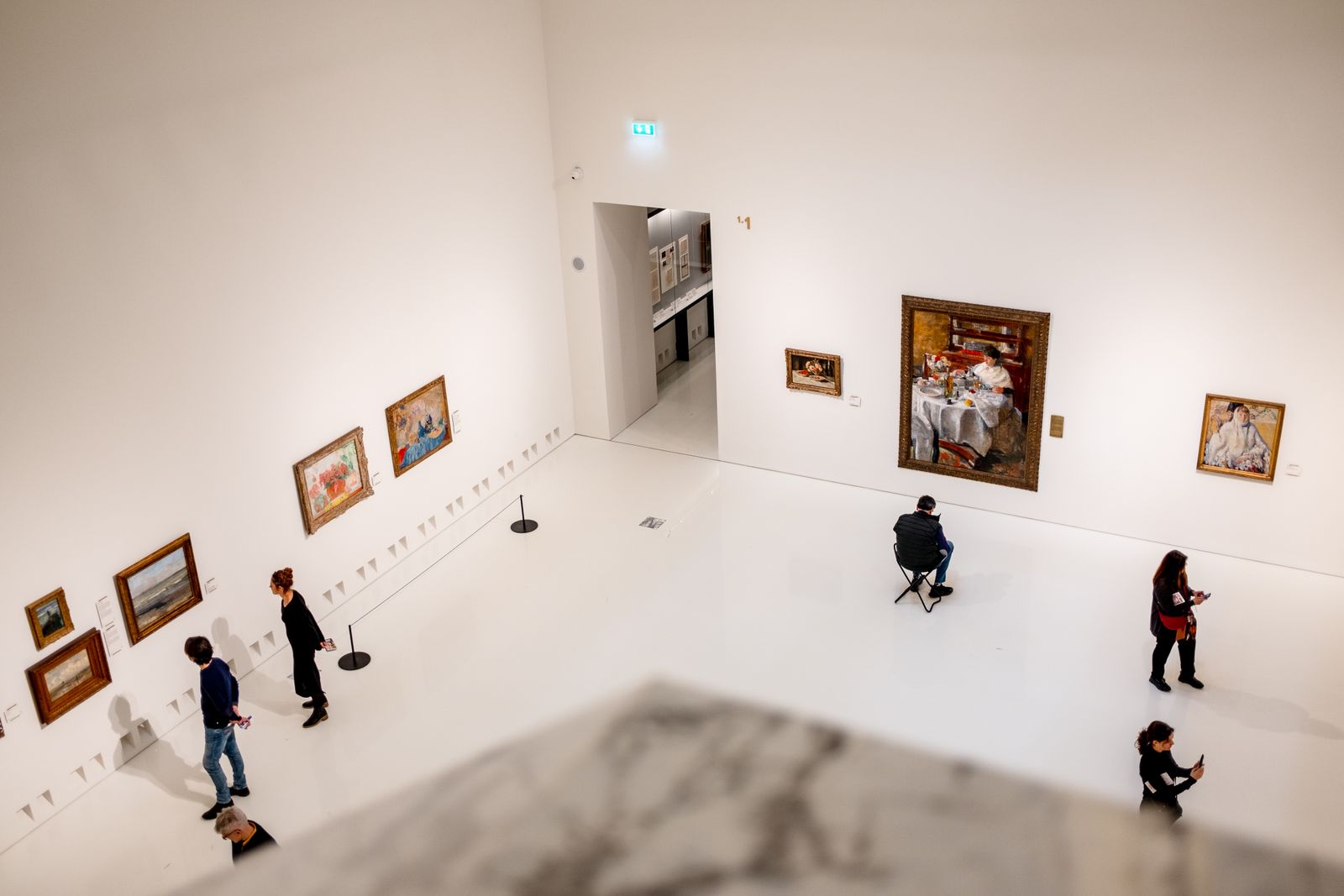
Fig. I — The public gallery, centuries after it was invented.
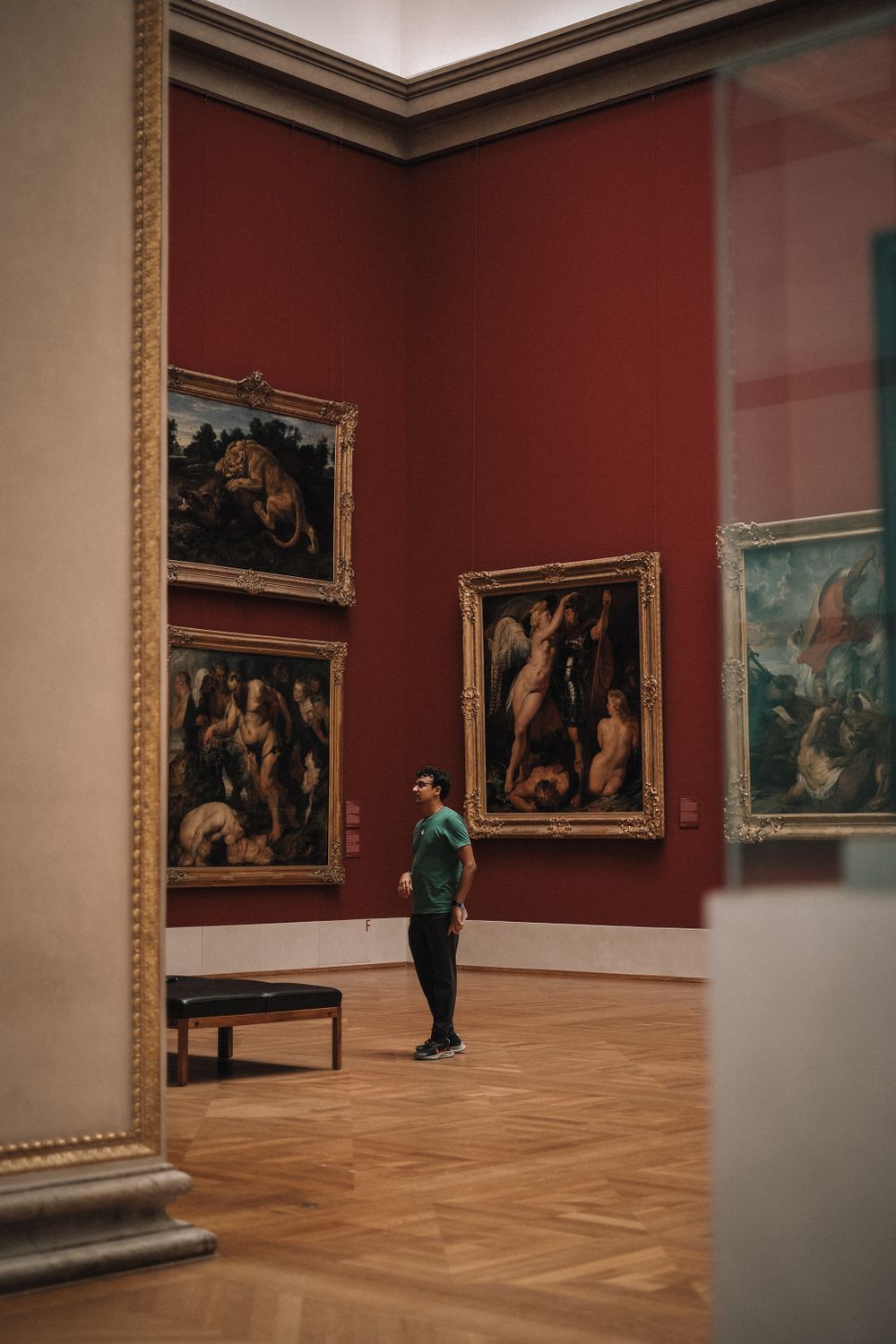
The French Academy started showing its members' work publicly, turning painting from a private commission into something strangers could walk in and judge. It's the first recognizable ancestor of the modern art exhibition — and the first time "getting in" became a career in itself.
Not strictly an art show, but it proved a single building could pull in six million visitors to look at objects behind glass. Every world's fair and biennale that followed borrowed its basic premise: put the best of everything in one room and let the public decide what matters.
So many painters were rejected from the official Salon that the emperor ordered a second exhibition for the rejects. The public came to laugh — and left having seen work the establishment had refused to hang. It's the moment rejection itself became a kind of credential.
Conceived to mark a royal wedding anniversary, it became the model for the recurring international exhibition — art grouped by nation, judged on a schedule, staged as much for prestige as for viewing. Most contemporary biennials still follow the format it set.
American audiences saw Cubism and Fauvism in one room for the first time, and much of the press treated it as a public menace. It didn't convert everyone — but it made clear that a single exhibition could shift what a country understood "art" to mean, almost overnight.
MoMA's inaugural show argued that recent, still-controversial work deserved the same institutional weight as old masters. It helped establish the idea that a museum's exhibitions could actively shape the canon, not just preserve one that already existed.
It's tempting to think of an exhibition as neutral packaging — a room where finished art happens to be hung. The history above suggests otherwise. Which works got shown, in what order, next to what, and who was allowed to jury the selection: these decisions shaped what later generations came to think of as important, often more than the work's original reception did.
An artist rejected by every official Salon in their lifetime can still end up defining the period, if a later exhibition puts their work back in the room. The canon isn't fixed at the moment of creation — it gets renegotiated every time someone curates a show.
This is also why exhibitions provoke fights that seem disproportionate to a room full of objects. A show is an argument about what deserves attention, made in public, that other people are invited to agree or disagree with in person. That's a strange kind of power for a room to have — and it's exactly why the room keeps being fought over.